
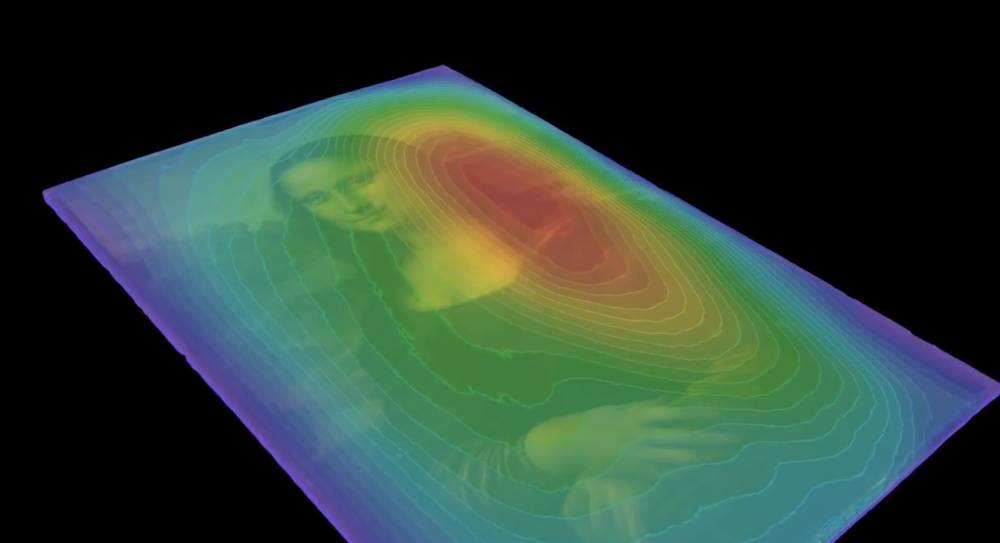
While traditional condition reporting relies on the invaluable expertise of human observation, it can be subjective, time-consuming, and inconsistent. Through Artiam™ AI Analytics Arius provides the forensic data to validate and enhance expert insights. We offer an automated damage detection and condition comparison, bringing a new level of objectivity to the process. By augmenting traditional methods with high-resolution forensic data, we provide efficient, data-driven reports that reduce legal exposure, accelerate insurance claims, and provide a defensible audit trail that collectors, insurers, and conservators can rely on with absolute confidence.
Use our interactive tool below to unveil the details of Vincent Van Gogh’s masterpiece.




Our reporting services utilize the 10-micron precision of the ADMF™ to provide a microscopic view of an artwork’s physical state.
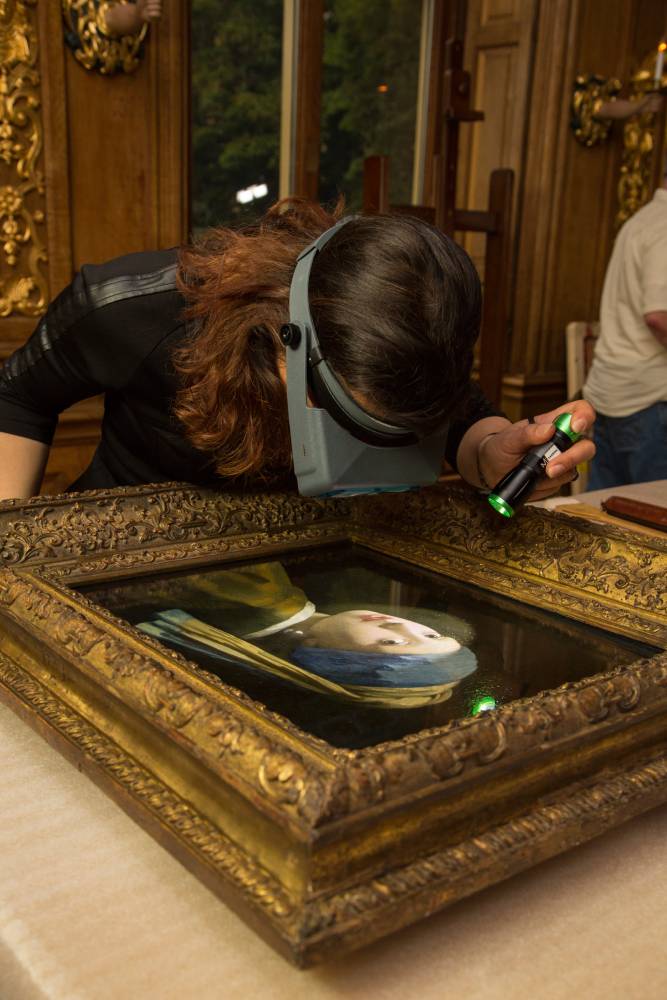
With precision imaging you can unlock the true condition of an artwork, detecting hidden damage and microscopic flaws. Our system provides objective data for standard grading terminology, including, from foxing and cockling, to craquelure and accretion.
Measure changes in the condition of an artwork with periodic and event-based scanning to identify changes, detect issues before they’re visible to the human eye, and even predict the life cycle of an artwork.
Periodic Scanning: Monitor gradual degradation or environmental impact over time.
Event-Based Reporting: "Before and After" scans for transportation, acquisition, or incident-based damage to eliminate liability disputes.
By comparing scan data against our growing database, which includes over 1,500 masterpieces by artists like Van Gogh, Vermeer, and Monet, our AI identifies commonalities and "DNA matches." This forensic comparison aids in determining the likelihood of authenticity based on known artist brushwork and era-specific techniques.
Use our interactive tool to unveil the digital restoration of JMW Turner’s smoke-damaged painting, Peace - Burial at Sea, which is part of the Tate Britain collection.
Discover the power of the Arius Art Digital Master File (ADMF™) and inquire about scheduling a scanning session, or request more information about the ADMF standard.


.png)