
From physical fraud to natural disasters, cultural treasures are constantly at risk. While traditional art insurance relies on outdated tools and inconsistent analysis, Arius’s data-centric processes offer precise, consistent, and reliable analysis.
Through our FRAME (Forensic Record & Asset Management Evaluator) initiative, we are simplifying and optimizing the art insurance network. By embedding ultra-high-resolution scanning and condition analytics into policy design, we provide the objective data needed to legitimize asset tokenization and protect the world’s most valuable artworks.
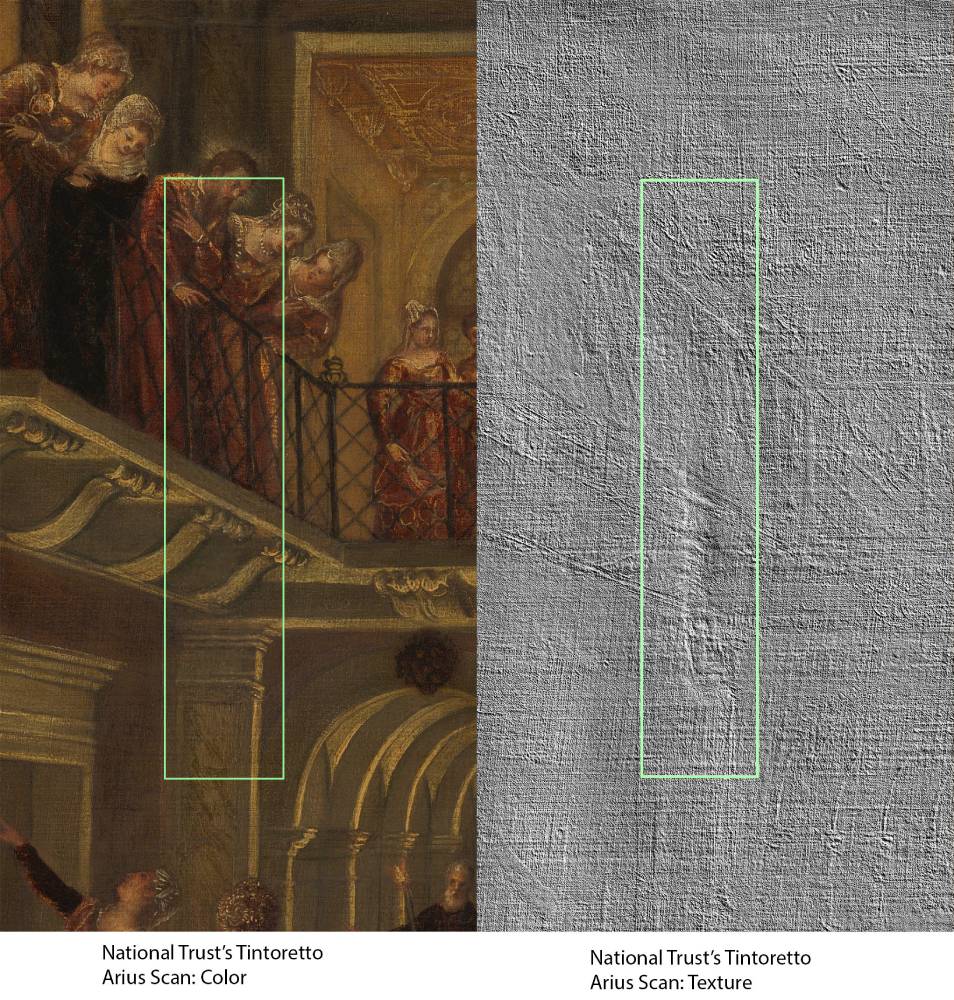
The FRAME Program replaces subjective, manual assessments with objective, data-driven condition intelligence. By establishing a forensic baseline, we transform workflows across underwriting, claims, and portfolio management.
Remove the guesswork from underwriting with data-backed appraisals that detect hidden damage or degradation.
Globally shareable forensic scans allow for remote expert review, accelerating claims and reducing Loss Adjustment Expenses (LAE).
Introduce scan-driven pricing models based on verified condition and storage data.
Every scan is time-stamped and encrypted, ensuring compliance with AML (Anti-Money Laundering) and KYC (Know Your Customer) standards.
Natural disasters, theft, and unforeseen conflict can threaten the physical existence of a masterpiece in an instant. An ADMF™ scan ensures that even in the face of total loss, the tactile soul and forensic DNA of your collection are preserved forever, allowing for precise restoration or the continuation of a borderless digital legacy.


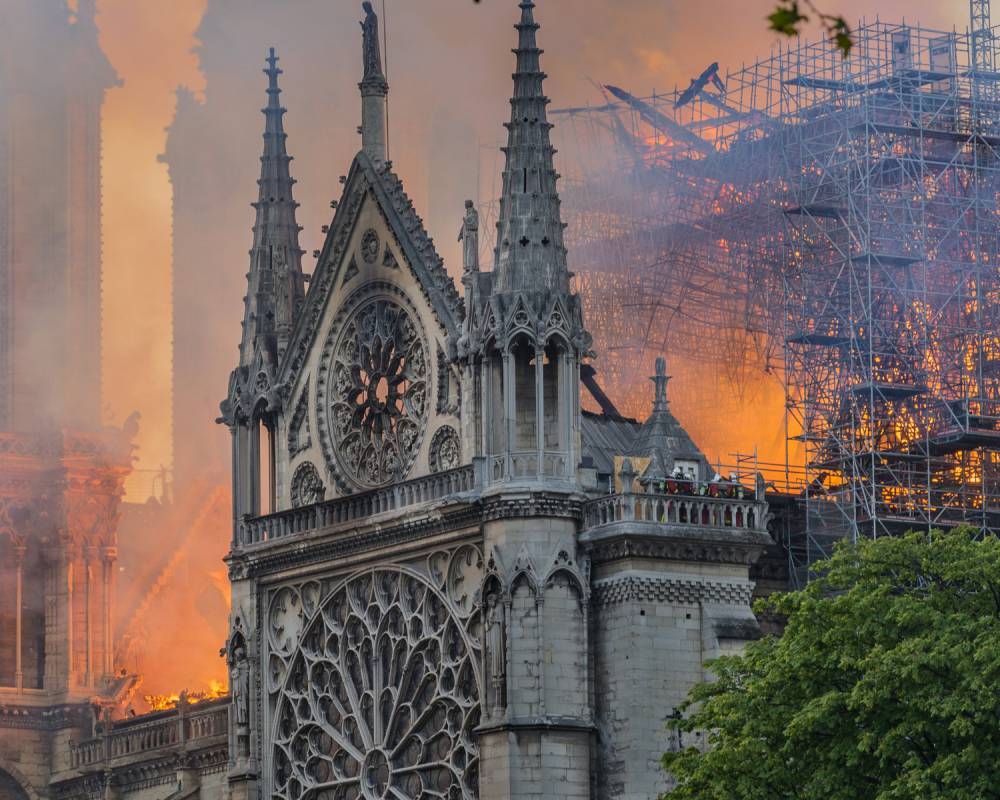
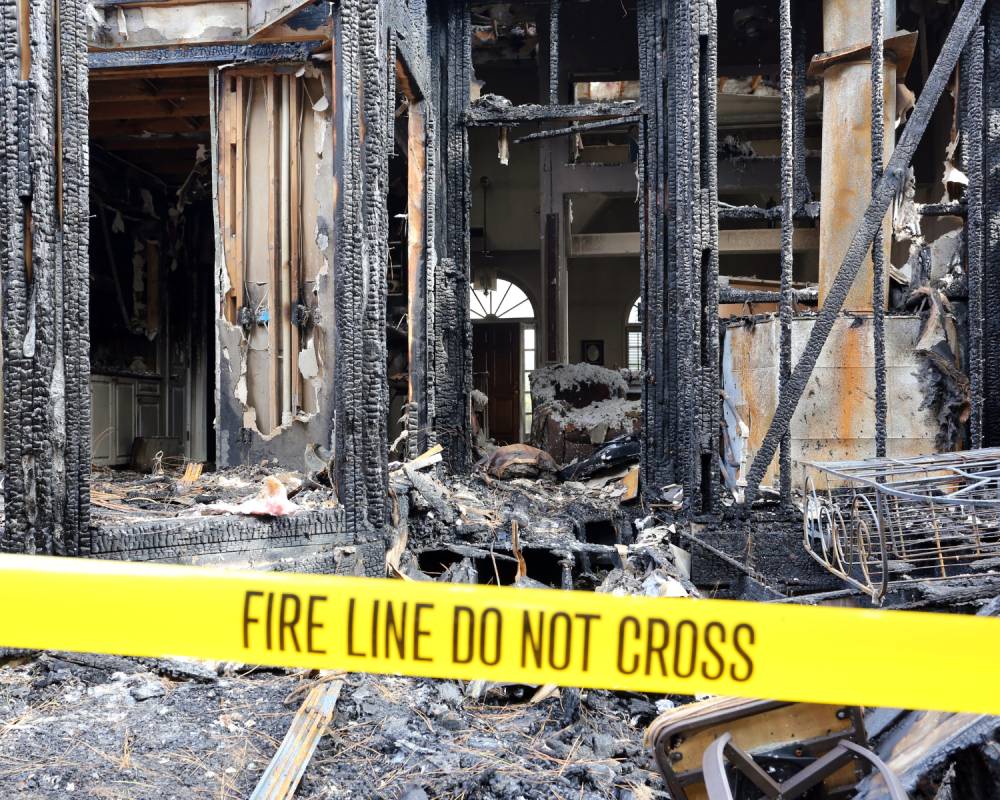
Join the network of leading insurers and institutions setting a new standard for art integrity. Through our strategic partnership with Aura Insurance, we have created a technology-enabled platform that transforms forensic insights into institutional-grade protection.
Aura operates as a regulated insurance entity, utilizing Arius’s proprietary infrastructure, including FRAME, ADMF™, and Artiam™ AI, to deliver a level of transparency and precision previously unavailable in the art market. By integrating forensic imaging and blockchain verification into every stage of the insurance lifecycle, Aura provides data-driven underwriting and accelerated claims resolution that redefines how art is valued and protected.
The FRAME initiative offers a suite of data-driven services designed to bring objectivity, speed, and precision to every policy touchpoint:
Discover the power of the Arius Art Digital Master File (ADMF™) and inquire about scheduling a scanning session, or request more information about the ADMF standard.
The Arius Digital Master File (ADMF™) is an immutable, 10-micron resolution scan that establishes the definitive baseline of an artwork’s condition. This "digital fingerprint" captures surface and subsurface details, serving as the ultimate reference point for future comparison after transport or an incident.
Proprietary AI provides automated damage detection. By comparing periodic scans, Artiam™ identifies even the slightest change in a painting’s topography, delivering a defensible audit trail that both insurers and owners can trust.
Asset Tokenization via blockchain hashing allows for encrypted, time-stamped provenance and condition logs, aiding compliance with AML/KYC standards.
In the event of damage, an ADMF™ provides more than just data, it provides a way back. These “digital twins” enable museum-quality restoration or high-fidelity replication, preserving the enjoyment and accessibility of an artwork, even if the original is compromised.
Our technology features seamless API integration, allowing Arius data to embed directly into existing underwriting and claims management systems for immediate operational value.
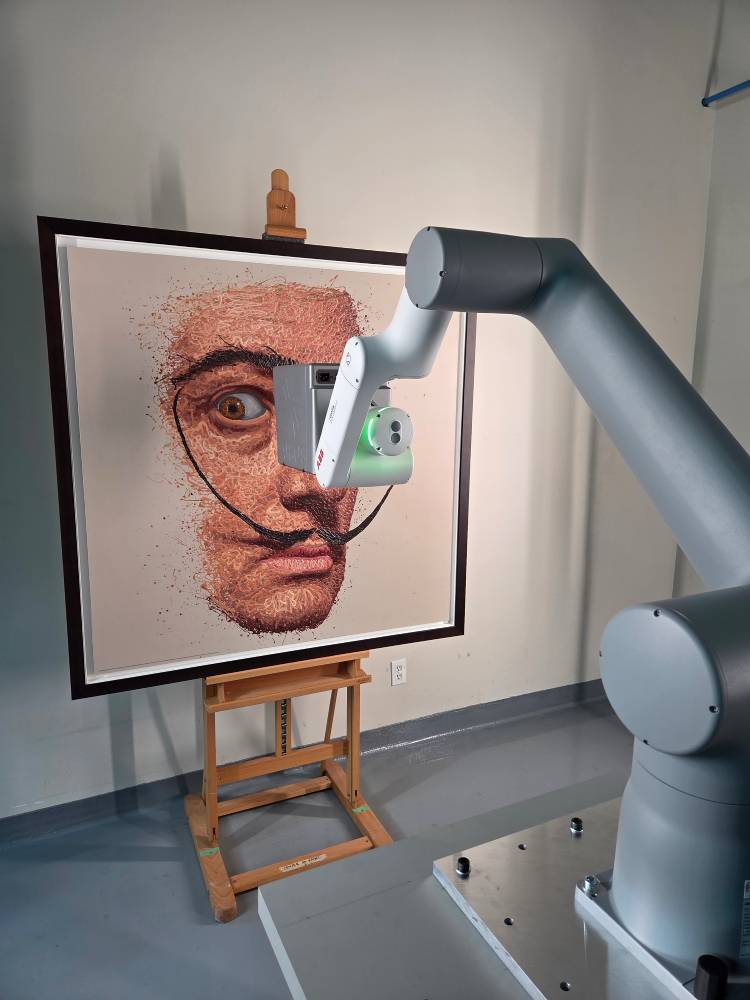
The Moneta mobile scanner represents the next frontier in art digitization, bringing our proprietary technology directly to your collection. Designed for versatility and precision, Moneta is our primary tool for capturing high-fidelity data in any environment, under any lighting conditions.
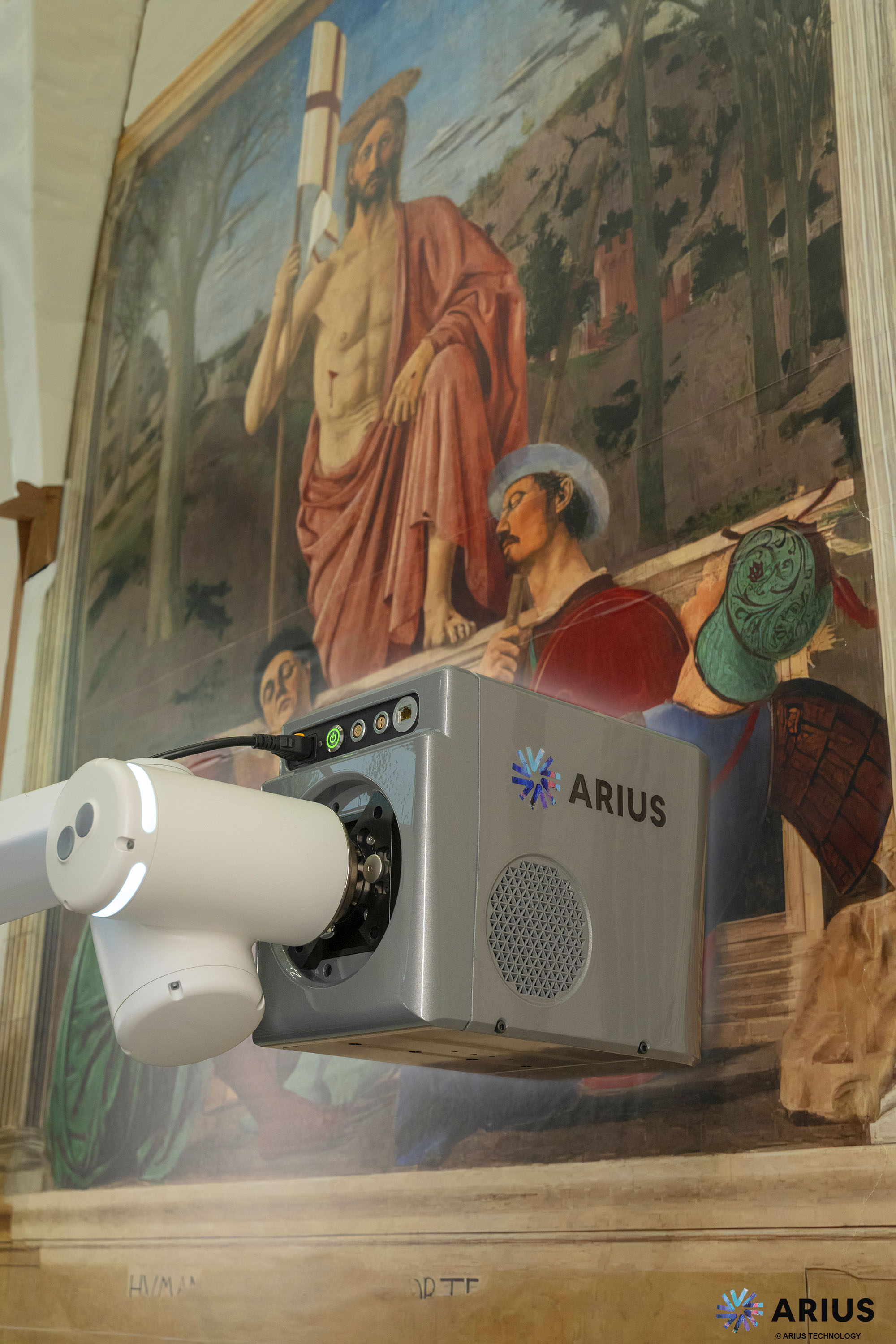
Whether in a private residence, a high-security vault, or a museum gallery, Moneta eliminates the risks and costs associated with transporting fragile artworks.
While Moneta is our standard for all fine art, its mobile nature is especially valuable for artifacts that cannot be moved, such as frescoes, murals, petroglyphs, and historic architectural elements.
Our patented system uses synchronized lasers to capture geometry and full-spectrum color in a single pass—capturing 250 million data points with zero risk to the artwork’s surface.
Discover the power of the Arius Art Digital Master File (ADMF™) and inquire about scheduling a scanning session, or request more information about the ADMF standard.


.png)